
The short answer: dried and bagged, open access, nothing moved
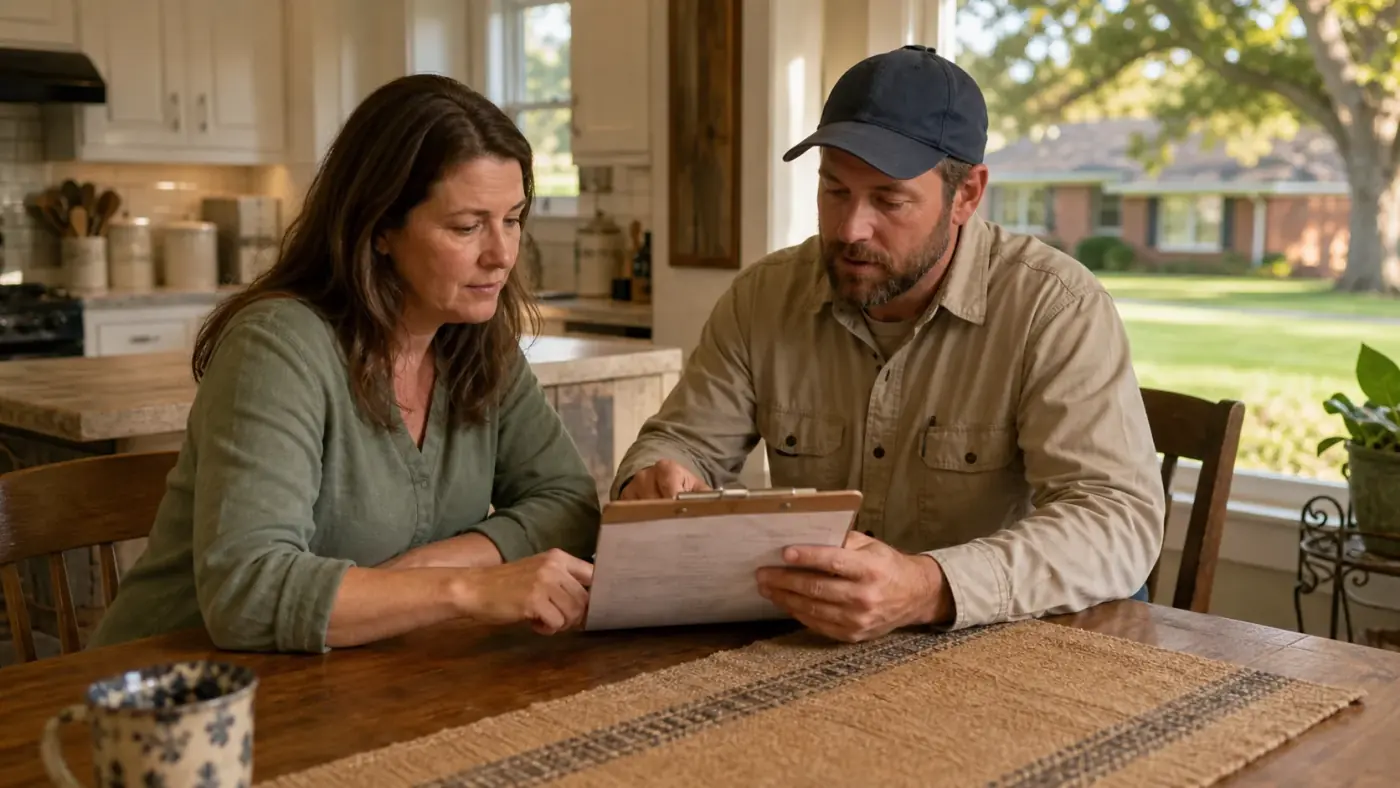
A Tulsa bed bug company wants three things before the truck pulls up: fabrics dried hot and sealed in bags, beds, baseboards and furniture the technician can reach, and every infested belonging still in the room it started in. That is the whole job. Oklahoma State University Extension says most companies hand you a prep checklist after the inspection, and that finishing it could decide whether treatment fails or succeeds.
Nobody needs your house spotless. OSU Extension says bed bugs infest any home, neat or messy, and they are no rarity here: OSU noted in 2024 that a 2023 Mattress Clarity survey ranked Oklahoma City ninth worst in the country for bed bugs, based on service requests.
What another month of itching looks like
Putting off bed bug treatment lets one Tulsa bedroom become the whole house, and it happens quietly. You wake up with three itchy welts in a neat row on your forearm and blame the September mosquitoes. You never felt a thing. Oklahoma State University Extension explains why: bed bugs feed at night, drawn to your body heat and the carbon dioxide you breathe out, and sleepers rarely wake.
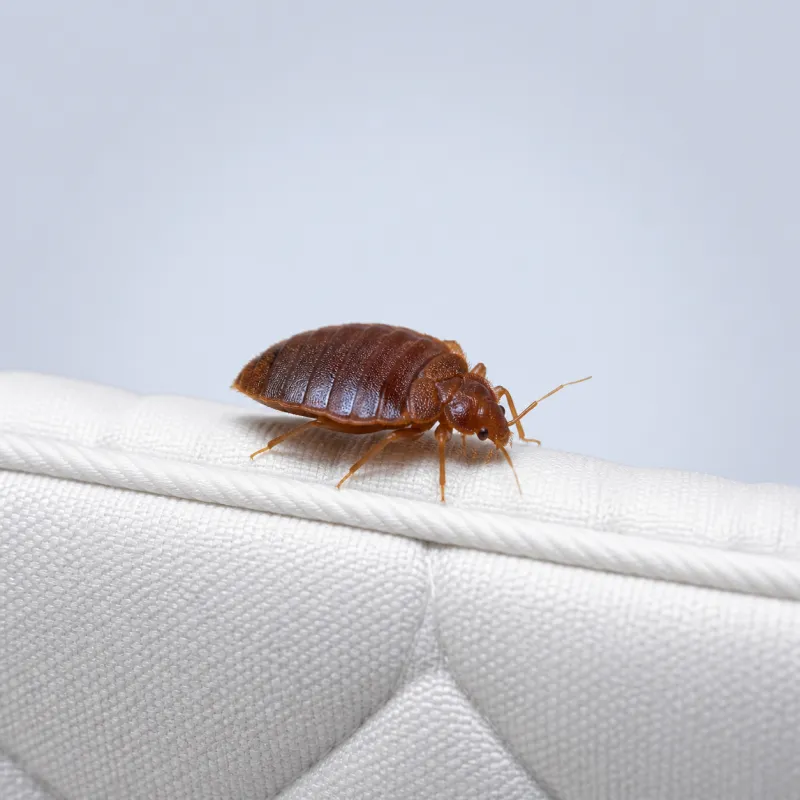
Meanwhile the math runs in the mattress seam. OSU puts it at one to five eggs a day per female, each one glued in place and hatching in three to ten days. A few weeks on there are black specks along the piping, and you are lying awake at 3 a.m. with the lamp on, sweeping a hand across the sheet every time something tickles your ankle. The CDC lists insomnia and anxiety among the effects of bites.
Then it spreads. You move to the couch, and since you are the meal, they find you there too. The CDC says bed bugs ride in the seams of luggage and overnight bags, so the Thanksgiving suitcase is now in play, and they can live several months without feeding, so waiting them out fails. One room at a few hundred dollars becomes a whole-house job at $700 to $3,000, going by the typical ranges on our Tulsa bed bug treatment page. Market ranges, not a quote.
The prep checklist, room by room
The prep sheet a Tulsa company hands you will look a lot like the EPA's preparation guidance, which the agency says applies whether a professional treats the home or you do. Here it is in working order.
| Task | How to do it | Why the technician cares |
|---|---|---|
| Bedding and clothes | Bag fabrics in the affected rooms, dry them on high heat for 30 minutes, reseal in clean bags | The EPA says high dryer heat kills bugs and eggs, and washing alone might not |
| The bed | Pull it 6 inches off the wall, clear underneath, keep bedding off the floor | Frame, headboard and the wall behind them need open access |
| Clutter | Clear floors around beds and sofas, swap cardboard for plastic bins, keep it all in the same room | Bugs hide in cardboard, per the EPA, and OSU warns that moving belongings spreads them |
| Walls and outlets | Pull dressers, nightstands and the couch away from the walls | The EPA lists baseboards and the space behind outlet covers as places to check |
| Vacuum | Seams, headboard, carpet edges, then seal the bag and take it outside | Removes what you can reach without releasing it again |
| Notes | Dates and rooms where you found bugs or bites | Tells the technician where to focus |
One opinion, earned from watching these jobs: do not throw anything out yet. OSU Extension says tossing belongings before treatment spreads bugs, and dragging a mattress down the hall is exactly how. If something must go afterward, the EPA says to rip the cover and spray-paint "Bed Bugs" on it so nobody hauls it home off the curb.
Heat treatment prep is a different list
Heat treatment prep is about removing what the heat would ruin, not tidying up. Dini Miller's Virginia Tech Extension guide to bed bug heat treatments says to take out houseplants, pets, candles, lipstick, aerosol cans and lighters, and notes that companies commonly add medications, stringed instruments, heirlooms and photographs. Your company's written list wins.
Virginia Tech puts the thermal death point at 118°F for adults and 122°F for eggs, measured in the cracks and crevices, not the air. OSU Extension calls penetrating heat of 120 to 130 degrees the most effective method because it kills every life stage. Here is the counterintuitive part: the same Virginia Tech guide says clutter does not necessarily stop a good heat job, and that frantic cleaning right before it can scatter bugs into new hiding spots. What matters is getting boxes and bags of clothes off the floor and away from walls, because the surface under them never gets hot enough. Do less, but do the right less.
What you can start tonight
You can start bed bug control tonight with a dryer, some bags and a few cheap supplies, and none of it gets in the company's way later. Most of this comes straight from the EPA's do-it-yourself guidance.
- Run the dryer, not just the washer. High heat, 30 minutes, then into a sealed bag.
- Freeze what cannot be heated, in a sealed bag for three days, but only if the freezer truly holds 0°F. The EPA says many home freezers do not, so check with a thermometer.
- Encase the mattress and box spring in zippered bed bug covers, roughly $60 to $150 per bed as a typical market range, not a quote. The EPA says anything trapped inside starves.
- Put interceptor cups under every bed leg and check them daily at first. Later they are your proof the treatment worked.
- Bake it in an Oklahoma summer. OSU Extension suggests bagging infested furniture and setting it out in summer heat. The EPA says do-it-yourself heat depends on your climate and might not work, so on a mild October afternoon it is a gamble.
Now the don'ts. The EPA says foggers should not be your only control, since the fog never reaches the cracks where bed bugs hide. Rubbing alcohol, kerosene and gasoline can ignite from a spark. And cranking the thermostat or running a propane heater to cook them out, the EPA says, does not work and is dangerous.
When DIY is not enough: five signs
Bed bugs are beyond do-it-yourself once they have spread past the bed or you find proof they are breeding, and the EPA says treatment can take weeks to months depending on how far they have spread. These five signs mean it is time for a licensed company.
- Bites or bugs in a second room, like the couch or a kid's bed.
- Eggs or pale young bugs. OSU Extension describes eggs as white, about 1/32 inch and glued down. That is a population, not a hitchhiker.
- Interceptors still catching bugs after two weeks of dryer runs, encasements and vacuuming.
- You share walls. The EPA says nearby units should be inspected, and OSU says to tell your landlord right away.
- Someone has stopped sleeping or scratched bites raw. The CDC warns that scratching can lead to skin infection.
If two or more of those sound like your house, the sensible next step is a phone call. Call (844) 212-9836 and we connect you with a licensed local provider who works your part of Green Country, inspects first and gives you the written prep sheet for the method that fits your home. You walk into treatment day knowing exactly what to bag, what to unplug and what to leave alone.
The reassuring part: this is a solvable problem
Bed bugs are miserable but solvable, and they are not a health emergency: the CDC says they are not known to spread disease. Plenty of families on quiet streets from Owasso to Jenks have been through this and just never brought it up at the block party.

OSU Extension says a good company returns three to four weeks after treatment to inspect again, and Virginia Tech says a few survivors after heat are common, which is why that visit exists. Keep the encasements on and the interceptors checked for the year the EPA recommends. Our Tulsa bed bug treatment page compares heat and chemical options, the Tulsa pest control cost guide puts the work in context, and calls route by ZIP code across the Tulsa metro.
How the call works
- Describe the problem. A recluse in a shoe, termite swarmers on a window sill, ticks coming in on the dog. A sentence or two is plenty.
- Get routed by ZIP code. The call lands with an independent, licensed company that already services your neighborhood, whether that is midtown Tulsa or Claremore.
- Set the appointment. Most companies can give you an inspection or treatment window before you hang up.
Whether a same-day or 24/7 visit is possible comes down to provider participation in your area, technician availability and demand on that day. It is never guaranteed, and open slots vary by market and by how full the schedule already is.
Frequently asked questions
Do I have to wash every piece of clothing before bed bug treatment?
No, only the fabrics in the infested living areas and anything that sat on or near the bed. The EPA says a household dryer on high heat for 30 minutes kills bed bugs and their eggs, and that washing alone might not, so the dryer is the step that counts. Seal everything in plastic bags afterward and keep it bagged until your company says the room is clear.
Can I sleep in another room until the treatment?
Try not to. Oklahoma State University Extension warns that moving belongings into other rooms before treatment can spread bed bugs to rooms that were clean, and you are the thing they follow. Staying put with the mattress encased, interceptors under the bed legs and the bed pulled away from the wall keeps the problem in one place for the technician.
How is prep different for a heat treatment?
Heat prep is about removing what the heat would damage rather than decluttering. Virginia Tech Extension lists houseplants, pets, candles, lipstick, aerosol cans and lighters as items to take out, and companies often add medications, electronics, instruments and photographs. Boxes and bags of clothes should come off the floor and away from walls so the surfaces underneath reach a lethal temperature.
How long after treatment until the bed bugs are gone?
Expect a follow-up visit rather than a same-week finish. Oklahoma State University Extension says companies typically return three to four weeks after treatment to inspect again, and that multiple visits are common. Keep the encasements on and the interceptors under the bed legs, because the EPA recommends checking for at least a year to confirm the job is done.