
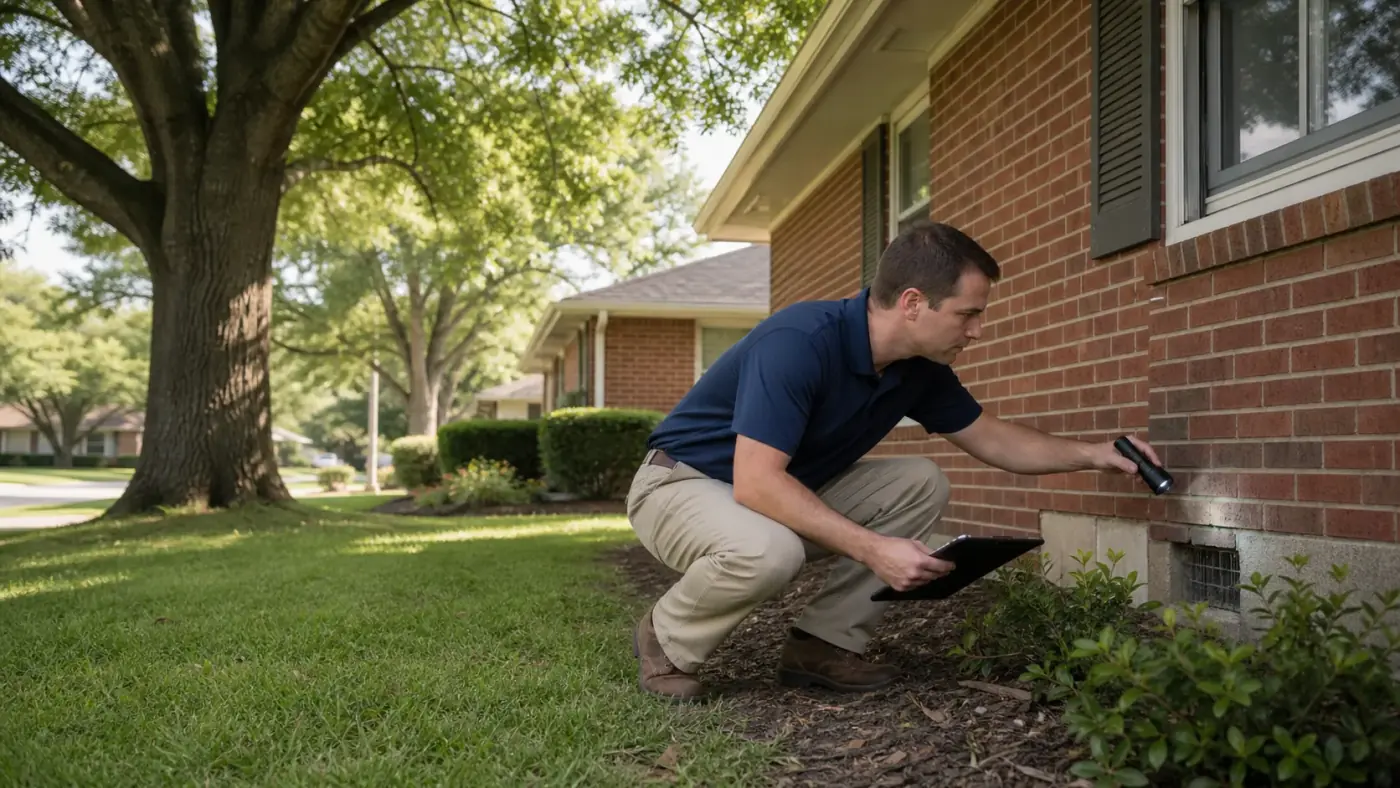
How to confirm it is bed bugs before you spend a dollar
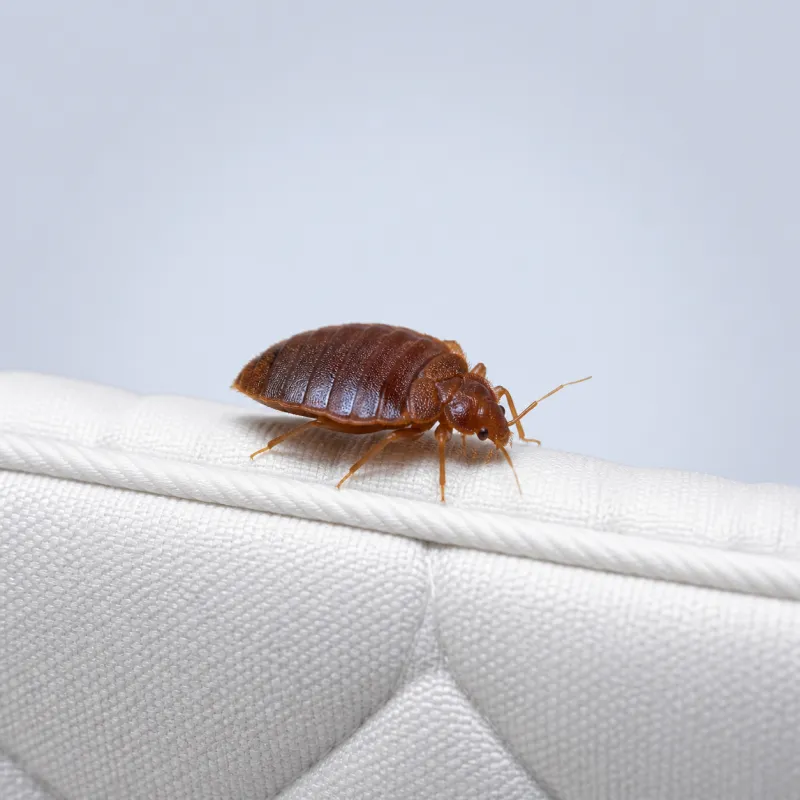
An adult bed bug looks like an apple seed. Oklahoma State University Extension describes them as wingless, oval, flattened, red to dark brown and roughly one fifth to three eighths of an inch long, with young ones smaller and light tan. That one sentence settles most panicked midnight searches, because carpet beetles get mistaken for bed bugs constantly.
Hunt for evidence rather than the insect. Black fecal spots along mattress seams, on the box spring and behind the headboard are the most dependable sign. OSU Extension notes that most bed bugs hide within fifteen feet of the bed, and that a heavily infested room carries a sweet musty odor people describe as rotten raspberries or moldy shoes. The Tulsa Health Department adds a detail about the bites: bed bug welts itch but lack the red center flea bites show.
The three ways they get into a Tulsa house
Bed bugs arrive by hitchhiking, and housekeeping has nothing to do with it. Oklahoma State University Extension puts travel first, since they ride home in suitcases, backpacks and clothing. The hotel routine is worth ninety seconds: park the bag in the dry bathtub, pull back the sheets at the head of the bed, check the luggage rack straps, and never set the suitcase on the bed.
Secondhand furniture is route two, and the costliest mistake people make. OSU Extension is blunt about curbside and dumpster furniture. Do not take it. A sofa on a Tulsa curb in July was often put there for the exact reason you are worried about.
Route three is shared walls. Bed bugs cannot fly or jump, but they crawl fast along baseboards and utility runs between apartments. The EPA advises telling the landlord once bed bugs are confirmed, because neighboring units need inspecting too.
Heat, chemical, or both
Heat kills every life stage including eggs in one visit, while a chemical program costs less per visit and needs repeats because it cannot reach every egg. A licensed local company should walk you through the tradeoff rather than selling one method by default.
| Approach | What it does | Where it fits |
|---|---|---|
| Whole home heat | Brings the structure to a lethal temperature, killing adults, nymphs and eggs in a single visit | Heavy infestations, cluttered homes, households that cannot host repeat visits |
| Chemical program | Crack and crevice application plus dust in voids across two or three visits | One or two rooms, infestations caught early, tighter budgets |
| Combination | Heat the bedrooms, then residual product and monitors around the treated zone | Most real jobs, because heat leaves no residual and reintroduction is the risk |
| Steam | Kills on contact in seams at 130 degrees or hotter, per EPA guidance | Between visits, and for items that cannot be heated |
Two EPA warnings deserve repeating. Never try to heat your own house with the thermostat, a propane heater or a fireplace, because it does not reach lethal temperatures and it is dangerous. And pesticide alone rarely finishes the job, since bed bug populations in parts of the country have developed resistance to it.
The prep list that decides whether treatment works
Preparation is the biggest variable in whether treatment succeeds, and the EPA recommends the same steps whether a professional treats the home or you do. Ask for the written prep sheet and follow it, because nobody can treat what is buried under laundry. Our bed bug treatment prep checklist walks through it room by room, including the different list a heat treatment needs.
- Launder everything washable and dry it on high heat, then bag the clean items and keep them sealed until treatment is finished.
- Clear clutter around beds and sofas. Every cardboard box within fifteen feet of a bed is one more hiding place.
- Seal cracks with silicone caulk, which the EPA describes as a way to push bugs into the open.
- Put zippered encasements on the mattress and box spring after treatment, so anything sealed inside is trapped and dies there.
- Vacuum thoroughly, then seal the bag and put it in an outdoor trash container.
- Set interceptor cups under bed and sofa legs, pull the frame off the wall and keep bedding off the floor.
- Write down dates and rooms, since the EPA suggests checking for a year afterward.
Four moves that make it worse
Most bed bug jobs that drag on for months got harder because of something done in week one.
- Setting off foggers. The EPA says the spray does not reach the cracks where bed bugs hide and that foggers should never be your only method. Improper use can also start a fire.
- Throwing out the mattress first. The bugs are already in the frame, the baseboard and the nightstand, so a new mattress in an untreated room becomes the new host.
- Moving to the couch or a spare bedroom. You are the food source, so they follow and you have seeded a second room. Stay put, and use encasements and interceptors.
- Reaching for alcohol, kerosene or gasoline. The EPA singles these out as ineffective and easy to ignite.
Renting in Oklahoma? The Oklahoma Landlord and Tenant Act at Title 41, Section 118 requires a landlord to keep the unit fit and habitable and to keep common areas of a multi unit building clean, safe and sanitary. The statute never says the words bed bug, so disputes turn on that habitability language. Put your request in writing, keep dated photographs, and know that the Tulsa Health Department runs housing inspections and accepts tenant complaints.
Typical bed bug pricing in the Tulsa market
These are ranges commonly seen across the Tulsa metro, not quotes. The company you are connected with sets the price after inspecting, and clutter moves the number as much as square footage.
| Service | Typical Tulsa range |
|---|---|
| Inspection | Free with service, otherwise roughly $75 to $150 |
| Chemical treatment, one bedroom | Roughly $250 to $500 per visit |
| Chemical program, whole home | Roughly $700 to $1,500 |
| Whole home heat treatment | Roughly $1,200 to $3,000 by square footage |
| Follow up visit | Roughly $100 to $250 |
| Mattress and box spring encasements | Roughly $60 to $150 per bed |
Ask three questions before signing. Is a follow up included or billed separately, what does the warranty cover, and will monitors be placed so the ending is evidence rather than opinion. Every pest control business and applicator in Oklahoma is licensed through the Oklahoma Department of Agriculture, Food and Forestry, so asking for a license number is fair. The companies in our network are independent and licensed, and calls route by ZIP code across Tulsa, Broken Arrow and Owasso. Seeing roaches too? Handle cockroach control and rodent control the same week.
How the call works
- Describe the problem. A recluse in a shoe, termite swarmers on a window sill, ticks coming in on the dog. A sentence or two is plenty.
- Get routed by ZIP code. The call lands with an independent, licensed company that already services your neighborhood, whether that is midtown Tulsa or Claremore.
- Set the appointment. Most companies can give you an inspection or treatment window before you hang up.
Whether a same-day or 24/7 visit is possible comes down to provider participation in your area, technician availability and demand on that day. It is never guaranteed, and open slots vary by market and by how full the schedule already is.
Frequently asked questions
How much does a bed bug exterminator in Tulsa cost?
Expect roughly $250 to $500 per room for a chemical treatment, $700 to $1,500 for a whole home chemical program across two or three visits, and roughly $1,200 to $3,000 for whole home heat. Those are typical Tulsa market ranges rather than quotes. Square footage, clutter and how many rooms are involved drive the final number.
Is heat treatment better than chemical for bed bugs?
Heat kills every life stage including eggs in one visit, which chemical treatment cannot promise. Heat leaves no residual protection, though, so anything carried back in starts the problem over. Chemical programs cost less and leave residual, but they need repeat visits. Many Tulsa jobs combine the two, with heat in the bedrooms and residual product around them.
Do bed bugs mean my house is dirty?
No. The EPA states that bed bugs are attracted to warmth, blood and carbon dioxide rather than dirt, and Oklahoma State University Extension describes them as hitchhikers that arrive in luggage, clothing and used furniture. Clutter matters only because it gives them more places to hide, which makes treatment harder and inspection slower.
Should I throw away my mattress if I find bed bugs?
Usually not. The bugs are already in the frame, headboard, baseboards and nearby furniture, so a new mattress in an untreated room simply gets infested. A zippered encasement traps whatever is inside the old mattress and it dies there. If an item genuinely has to go, the EPA advises destroying and labeling it so nobody else takes it home.